Die P2S Insight Engine
Best Practices aus über 500 industriellen As-a-Service-Fällen
In der Praxis erprobte Frameworks, Umsetzungs-Playbooks, reale Anwendungsfälle und praktische Werkzeuge, verdichtet aus über 500 analysierten As-a-Service-Fällen in 12 Branchen.
Treten Sie dem Club bei und lernen wir voneinander
Eine vertrauliche Peer-Community für Führungskräfte in Industrieunternehmen.
PaaS Club entdeckenVerstehen
Executive Briefings
Hier beginnen Sie mit dem Gesamtbild: Entscheidungslogik, bewährte Muster und quantifizierte Ergebnisse aus über 500 analysierten Fällen.

The Valuation Gap: Why the Industrial "One-Off" Sale is Dying
Why $1 of recurring revenue is worth 5x more than a transactional sale - and how to build a resilient "shock absorber" against today's global market volatility.
Executive Briefing lesen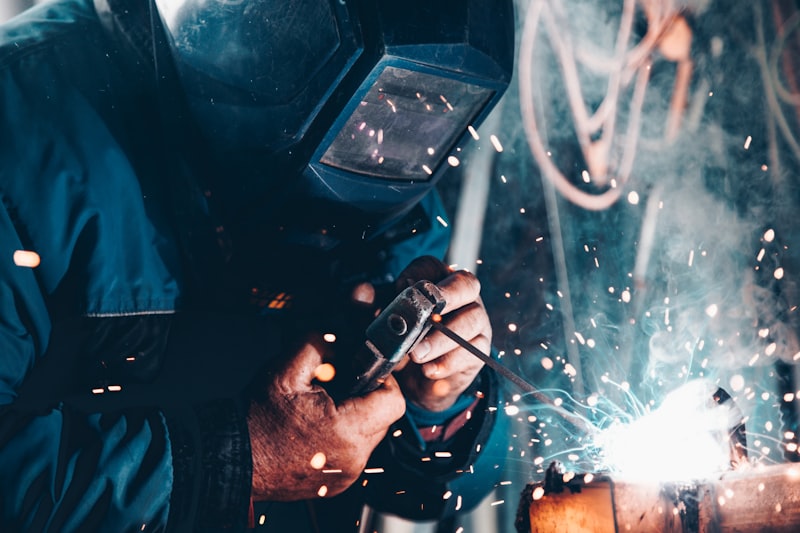
The 8-Dimension Blueprint: Beyond the Subscription Price Tag
An As-a-Service shift is a total organisational rewire. Explore the 8 critical dimensions - from internal alignment to financing - required for a successful transition.
Framework entdecken
Outcomes Over Iron: Lessons from 20+ Industrial Servitisation Leaders
Real-world data from the front lines: How one leader turned a $600k equipment sale into a $3.7M service deal, and why 80% of PaaS failures start at the top.
Erfolgsfälle ansehenUnsere Inhalte werden überwiegend auf Englisch veröffentlicht. Navigation und Beschreibungen sind übersetzt.
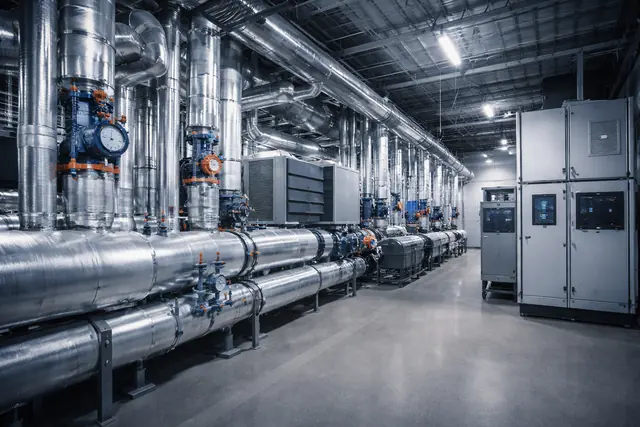
HVAC & Building Systems - Industry Playbook
Sector-specific frameworks for designing recurring-revenue and As-a-Service models in HVAC and building systems.
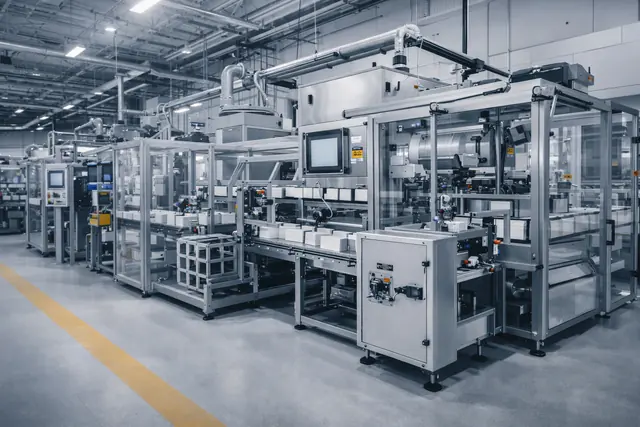
Packaging & Printing - Industry Playbook
Execution-ready guidance for building As-a-Service offers in packaging and printing equipment.
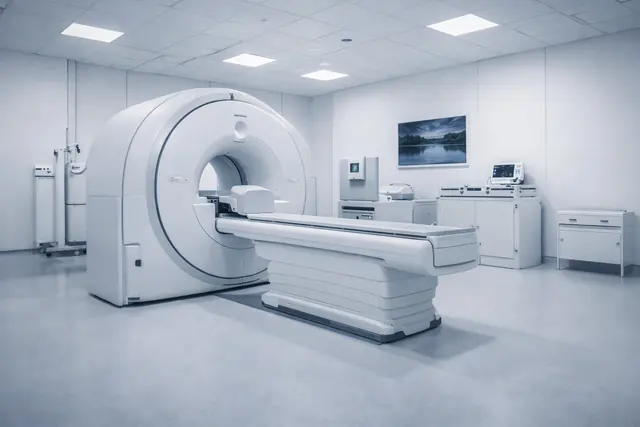
MedTech & Medical Devices - Industry Playbook
Recurring-revenue models for MedTech - from outcome-based contracts to managed service agreements.
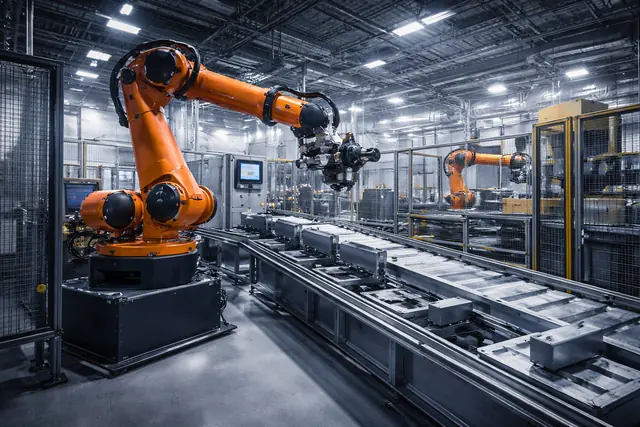
Industrial Automation & Robotics - Industry Playbook
As-a-Service frameworks for industrial automation - OEE-based pricing, uptime SLAs and scalable delivery models.
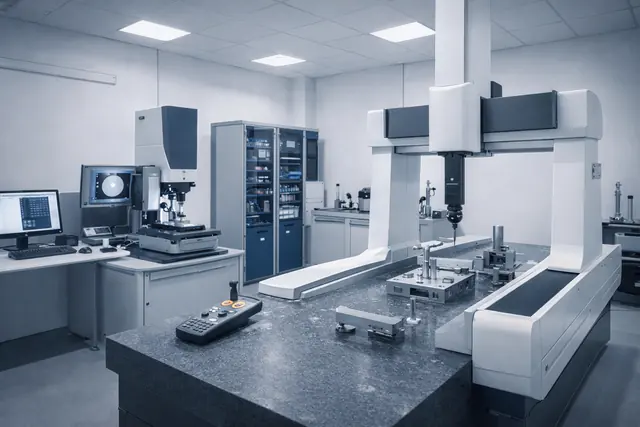
Testing, Inspection & Certification - Industry Playbook
Recurring-revenue strategies for industrial TIC firms - subscription compliance, managed testing and predictive service models.
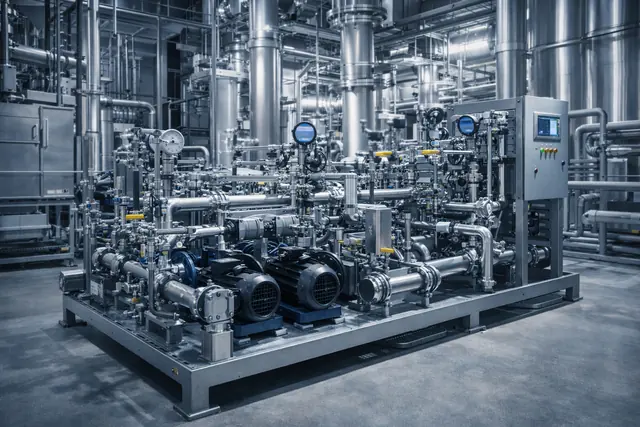
Fluid & Process Equipment - Industry Playbook
As-a-Service models for fluid and process equipment - flow-based pricing, availability contracts and circular asset strategies.
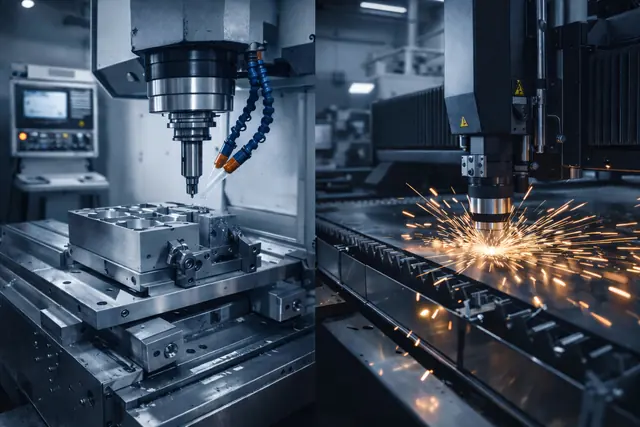
Machine Tooling & Materials Transformation - Industry Playbook
Recurring-revenue frameworks for machine tooling - per-part pricing, utilisation-based contracts and managed capacity models.
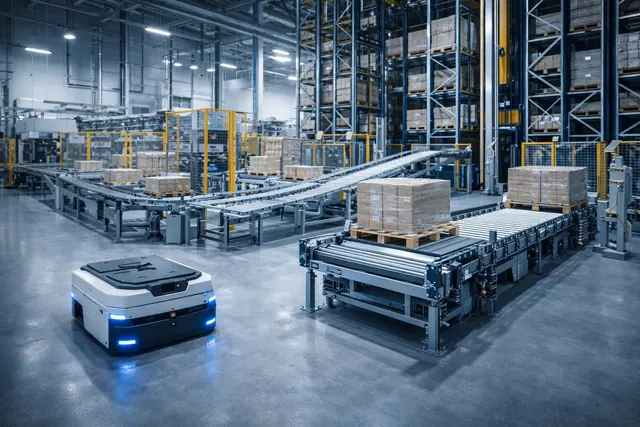
Material Handling & Intralogistics - Industry Playbook
As-a-Service strategies for material handling - throughput-based models, fleet subscriptions and availability SLAs.
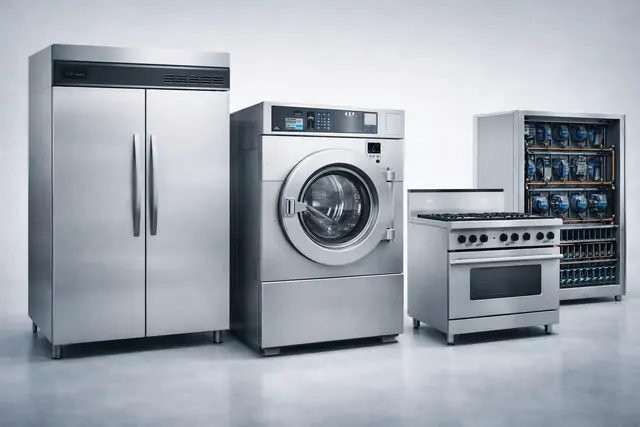
Electrical Appliances & Power Systems - Industry Playbook
Recurring-revenue models for electrical equipment - energy-as-a-service, managed power and performance-based contracts.
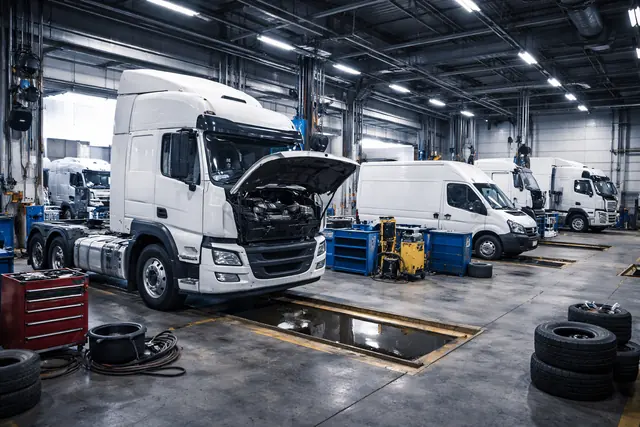
Industrial Mobility & Transportation - Industry Playbook
As-a-Service frameworks for industrial mobility - fleet-as-a-service, usage-based leasing and total-cost-of-ownership models.
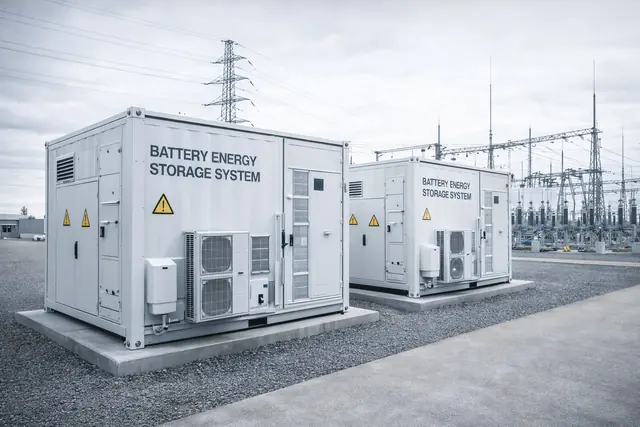
Energy Storage & Utilities - Industry Playbook
Recurring-revenue strategies for energy storage - capacity-as-a-service, grid flexibility contracts and managed storage models.

Construction Tools & Off-Highway - Industry Playbook
As-a-Service models for construction equipment - utilisation-based rental, managed fleets and outcome-driven contracts.

Microgrid as a Service: How Zero-CAPEX Contracts Work
Microgrid as a service for integrators: how zero-CAPEX contracts work, the three terms to agree before signing, and the 25-year Brookville depot case.

ESCO Model vs Energy-as-a-Service: The Shared Savings Trap
ESCO model vs energy-as-a-service: why shared savings contracts often end in billing disputes, and the verified-output structure that avoids them.

Energy Storage as a Service: Which Outcome to Guarantee?
Energy storage as a service for BESS makers: which customer outcome to guarantee, four tests before committing, and a ten-year critical-power case.

#9 - Heidelberg's Equipment-as-a-Service Revenue Model
Learn how Heidelberg transformed from equipment sales to Equipment-as-a-Service. Insights on servitization, recurring revenue, and growth.

#8 - As-a-Service in Industrial Automation - What It Means and How Omron Sees It
Omron’s shift to as-a-service: from selling machines to delivering higher OEE, reduced downtime, and data-driven performance in industrial automation.

#7 - Scaling Product-as-a-Service at Decathlon: The Transformation Playbook
Decathlon scaled Product-as-a-Service to multi-million GMV. Discover the operational shifts retailers must solve to make subscriptions actually work.

#6 - Servitization in HVAC with KAER: From Selling Chillers to Selling Cooling
Cooling-as-a-Service scales by aligning contracts, portfolios, and data flywheels to deliver guaranteed low-carbon comfort that improves over time.

#5 - From CapEx to Outcomes: How CFOs Run Assets as a Service
Product-as-a-Service is a financial operating model, not pricing. Learn how CFOs manage long-term risk, assets, and contracts at scale.

#4 – Energy-as-a-Service in Action: UgoWork’s Model
How UgoWork shifts from hardware to uptime with flexible, usage-based energy and exit-anytime contracts - rethinking value in an As-a-Service world.

#3 – Philips: Monetising High-Value Returns as a Service
Philips turned returned products into a growth engine. Boris Romero shares how refurbishment, redeployment and new KPIs unlock profitable circular models.

#2 – How Circuly’s Software Drives 80K Subscriptions & Double-Digit Growth. Sophia Heinig, Circuly
Circuly reveals how brands run 80K+ product subscriptions. Learn how software unlocks recurring revenue, operations efficiency, and scalable rental models.
.png&w=640&output=webp&q=72)
#1 - From 0 to €100M+ in Cooling-as-a-Service
Learn how Energy Partners scaled Cooling-as-a-Service to €100M+. Dawie Kriel shares insights on performance-based models and industrial efficiency.

De la vente d’équipement à la vente de performance
Découvrez l’étude de la CCI Paris IdF sur la transition vers l’Equipment-as-a-Service : un modèle axé sur performance, usage et durabilité.

Cooling-as-a-Service at TRX: Kaer’s Landmark Project in Kuala Lumpur
Kaer delivers sustainable, AI-driven cooling to Kuala Lumpur’s TRX via a 15-year, zero-CapEx Cooling-as-a-Service model. Full case study via form submission.
.png&w=640&output=webp&q=72)
The Future of As-a-Service Models in Industrial Markets
Discover key trends, tech, and actions driving Product- and Equipment-as-a-Service growth in U.S. industrial markets from 2025 to 2030.

HVAC and Cooling-as-a-Service: Transformation Lessons
Explore how HVAC-as-a-Service transforms climate control—cutting costs, boosting efficiency, and enabling performance-based, sustainable solutions.
.png&w=640&output=webp&q=72)
11 Questions to Answer Before Going Product-as-a-Service
Wondering how Product-as-a-Service works? In this summary of a discussion between Florian André (P2S) and Scott Galvao (Circuly), we tackle the most common ques

Real-World Wins from Swapfiets, Hilti, Philips & More
Why PaaS is booming: Real-world lessons from Hilti, Swapfiets & more. Summary of a P2S & Circuly talk on turning products into services.


.avif&w=640&output=webp&q=72)


Treten Sie dem Club bei, lernen wir gemeinsam
Der PaaS Club ist eine vertrauliche Peer-Community für Führungskräfte industrieller OEMs, die As-a-Service-Modelle gestalten und skalieren. Tauschen Sie echte Erfahrungen aus, schärfen Sie Ihren Ansatz und lernen Sie von Praktikern statt von Theorie.
Mehr über den PaaS Club erfahrenHäufig gestellte Fragen
F: Was ist Servitization und warum ist sie für Industrieunternehmen entscheidend?
A: Servitization wandelt ein produktzentriertes Unternehmen in eines, das Wert über Services und Ergebnisse liefert. Für Industrieunternehmen heisst das: weg vom Verkauf von Anlagen, hin zum Verkauf der Ergebnisse, die diese Anlagen erzeugen - Verfügbarkeit, Durchsatz oder Leistungsgarantien. Entscheidend ist das, weil serviceorientierte Modelle wiederkehrende Erlöse erzeugen, höhere Bewertungen stützen (häufig 2- bis 5-fache Multiples) und deutlich stabilere Kundenbeziehungen schaffen.
F: Was unterscheidet Equipment-as-a-Service von einem klassischen Leasing?
A: Klassisches Leasing ist ein Finanzierungsinstrument: Das operative Risiko bleibt beim Kunden. Equipment-as-a-Service bündelt Anlage, Wartung, Monitoring, Leistungsgarantien und oft auch Verbrauchsmaterial in einer einzigen wiederkehrenden Gebühr. Der OEM behält Eigentum und Leistungsverantwortung. So entsteht eine echte Servicebeziehung statt eines blossen Zahlungsplans.
F: Wie lange dauert die Einführung eines As-a-Service-Modells?
A: Mit strukturierter Begleitung gelangen Industrieunternehmen typischerweise in 3 bis 6 Monaten vom Konzept zum ersten abgeschlossenen Vertrag. Der gesamte Weg vom Pilot zum skalierten Portfolio dauert 12 bis 24 Monate. P2S beschleunigt das mit bewährten Frameworks aus über 500 analysierten Fällen und erreicht eine 3-mal schnellere Markteinführung als Unternehmen, die es allein versuchen.
F: Welche Branchen führen As-a-Service-Modelle ein?
A: Die Einführung beschleunigt sich in vielen Industriebranchen: HLK und Gebäudesysteme, Energiespeicher, Industrieautomation, Verpackung und Druck, Bauwerkzeuge, Medizintechnik, Intralogistik, Werkzeugmaschinen und weitere. P2S hat über 500 Fälle in mehr als 12 Teilbranchen analysiert.
F: Sind die Analysen und Artikel von P2S frei zugänglich?
A: Ja. Alle Artikel, Executive Briefings, Podcast-Folgen und Frameworks im P2S Learning Hub sind vollständig frei und ohne Registrierung zugänglich. Nur die ausführlichen Branchen-Playbooks und das Flagship-Playbook erfordern ein kurzes Formular zum Download.
Bereit, Ihr Modell auf die Probe zu stellen?
Wir prüfen die Passung, identifizieren die Wertlogik und empfehlen den nächsten Schritt, gestützt auf Benchmarks und Best Practices aus über 500 analysierten Fällen.
Gespräch buchen